
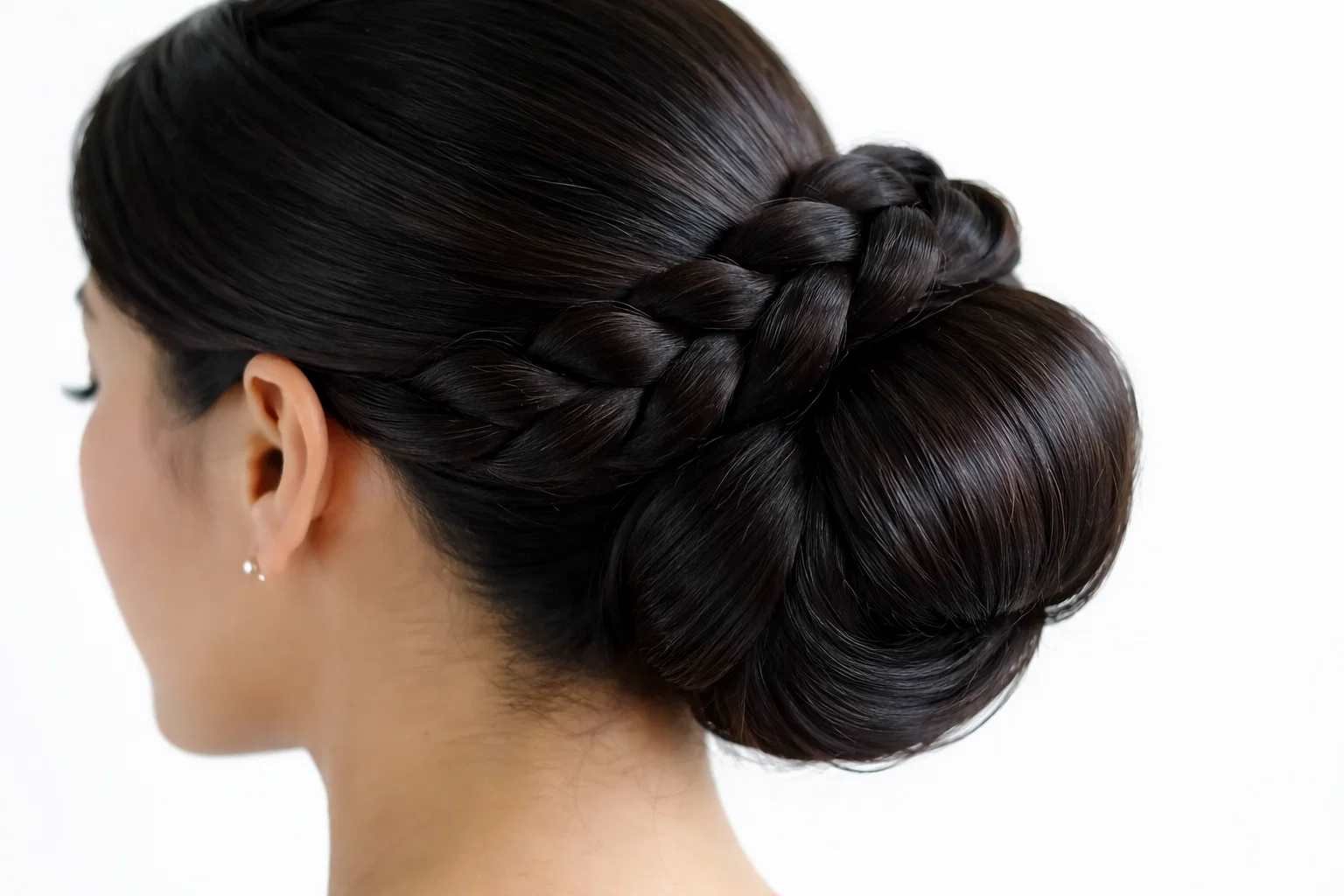
Pakistani long hair has always been admired for its depth of color, thickness, and natural shine. Most women in Pakistan have naturally dark brown to jet-black hair, a trait strongly influenced by South Asian genetics and higher melanin levels in the hair shaft. Thick strands may look strong, but here is what many people do not realize: long, dense hair can still be highly sensitive. Without proper care, it becomes dry, brittle, or prone to thinning far sooner than expected.
Climate is one of the biggest reasons.
Cities like Lahore, Karachi, Islamabad, and Faisalabad face intense summer heat, dry winters, dust exposure, and rising air pollution. Hard water in many urban areas adds another layer of stress. Dermatology data from Karachi shows how serious hair concerns have become: 76.2% of participants in a local study reported experiencing hair loss, making it one of the most common beauty-related complaints. This alone explains why hair care awareness is increasing rapidly across Pakistan.
Understanding the Structure of Pakistani Hair
South Asian hair typically has higher melanin concentration, which gives it its rich black or dark brown tone. Melanin contributes to color strength, but it does not protect against environmental damage.
Hair grows approximately 0.5 inches per month. That means if a woman keeps waist-length hair, the ends may be three to four years old. Older hair fibers naturally weaken over time, which is why long Pakistani hairstyles often struggle with dryness and splitting at the tips.
Research on hair fiber science also shows that strands can stretch up to 30% more when wet, making them more fragile during washing. This is why improper shampooing leads to breakage.
The Most Common Hair Problems in Pakistan
Dry Hair
Dryness is widespread due to sun exposure and overwashing. When natural scalp oils are stripped too frequently, strands lose flexibility.
Deep conditioning once or twice weekly restores moisture balance. Gentle sulfate-controlled cleansers reduce excessive stripping. Hydration from inside also matters, especially in Pakistan’s high-heat summers.
Dull and Rough Hair
Pollution particles settle on the hair surface, disturbing cuticle alignment. When cuticles lift unevenly, light cannot reflect properly, and shine fades.
Clean hair with smooth cuticles appears glossy because the surface reflects light evenly. Proper cleansing combined with controlled moisture improves natural shine significantly.
Split Ends
Split ends remain one of the most frequent problems for women who prefer long hair.
Once a strand splits, it cannot be repaired permanently. Trimming every six to eight weeks is the only true correction method. Delaying trims allows the split to travel upward, causing thinning and uneven texture.
Thinning and Hair Fall
Hair thinning has become increasingly common. The Karachi-based study revealed that among those experiencing hair loss, contributing factors included:
- Stress (35.1%)
- Inadequate hair care routines (28.9%)
- Poor diet (25.2%)
These numbers show that lifestyle plays a major role.
Nutritional deficiencies are another concern. Clinical findings indicate that 79.17% of patients with diffuse hair fall had Vitamin D deficiency. Iron deficiency is also widely reported in South Asia and is linked to increased shedding. Balanced nutrition and proper blood-level monitoring help address this issue early.
Interestingly, the same study found that 45.6% of individuals relied only on home remedies, while 30.9% did nothing at all to manage hair concerns. That gap in structured care may explain why preventable problems become severe over time.
Globally, the issue is not limited to Pakistan. Research suggests that over 50% of men experience noticeable thinning by age 40, and about 25% of women report significant shedding before menopause. These wider statistics highlight how universal hair sensitivity really is.
Practical Pakistani Hair Care Rules
Here is what actually works.
Wash According to Scalp Type
There is no universal washing rule.
Oily scalp types may need cleansing every two to three days. Dry scalps may require only two washes per week. The aim is clean, not stripped.
Detangle Before Washing
Use a wide-tooth comb before applying water. Begin at mid-lengths, then gently move upward. Since wet hair stretches more easily, pre-detangling reduces breakage risk.
Shampoo Gently
Massage the scalp with fingertips, never nails. Avoid twisting hair on top of the head. Let the foam naturally cleanse the lengths as it rinses down.
Condition Strategically
Apply conditioner to mid-lengths and ends only. These parts are older and drier. Leave it for a few minutes before rinsing with slightly cooler water to help flatten the cuticle layer.
Limit Heat Styling
High-heat tools weaken keratin proteins over time. When styling is necessary for events or weddings, always use a heat protectant and avoid daily exposure. Air drying is healthier in the long run.
Traditional Oils and Protection
Oil treatments remain an essential part of Pakistani hair culture. Coconut oil, almond oil, and mustard oil are widely used across regions.
Scientific hair fiber research shows that certain oils, especially coconut oil, help reduce protein loss during washing. Light oiling before shampoo creates a protective barrier around strands.
Loose braids at night minimize friction. Silk or satin pillowcases further reduce breakage compared to cotton fabrics.
The Role of Diet and Lifestyle
Hair health reflects internal balance.
Protein sources such as lentils, yogurt, eggs, and chicken support keratin formation. Hydration is critical, especially in hot weather. Chronic stress pushes hair into the shedding phase faster, which explains the 35.1% stress correlation reported in local data.
Consistent sleep, balanced meals, and scalp hygiene together build resilience.
Final Word
Pakistani long hair appears thick and strong, yet it is sensitive to climate, diet, pollution, and daily handling. The statistics speak clearly: a large portion of the population struggles with thinning and hair fall.
The solution is not complicated. Gentle washing, scheduled trims, nutritional awareness, stress management, and balanced moisture restore strength over time.
Long hair is not just about length. It is about care, protection, and consistency. With proper attention, Pakistani hair retains its natural density, depth of color, and healthy shine for years.
Muhammad Nawaz writes for StylesPK, covering the newest trends in bridal, mehndi, and celebrity fashion. Her detailed articles aim to keep readers informed and inspired by Pakistani and global fashion.